
Wood Furniture Repair: What’s Actually Possible and When It’s Worth It.
Wood furniture is built to last, but time, use, and accidents eventually leave their mark. At Renowned Finishing in Airdrie,

Antique refurbishing means fixing and improving old furniture, so it looks beautiful again, without destroying its history. This is a helpful and extremely skillful method to restore old, antique furniture. Many people think old furniture is “too damaged” or “too outdated.” But in many cases, antique refurbishing can make an old piece strong, useful, and attractive again.
Antique refurbishing is the process of improving an old item so that it looks better and works properly again. This process includes fixing scratches, repairing loose parts, or improving the finish.
It is different from other similar terms:
| Term | Meaning |
| Refurbishing | Improving the look and function |
| Restoration | Returning to original historical condition |
| Repair | Fixing one specific problem |
Knowing the difference matters. Some antiques are valuable, and using the wrong method can reduce their worth.
There are many good reasons to choose antique refurbishing.
1. Old furniture is often stronger.
As we know, many antiques are made from solid wood like oak or walnut. That’s why antiques are so pricey and have good resale value. These materials are stronger than many modern factory-made pieces. So, refurbishing it can extend the lifespan of your beloved furniture.
2. It can increase value.
When done properly, antique refurbishing can make a piece more attractive to buyers. On the other hand, a damaged or dull-looking antique can reduce its appeal to the buyer significantly.
3. It is eco-friendly.
Restoring old furniture means less waste. Instead of throwing something away, you reuse it.
4. It has emotional value.
Some antiques are family heirlooms. Antique refurbishing helps keep memories alive while making the piece usable again.
For example, we once worked on a 1920s oak dresser. The finish was faded and scratched, but the structure was solid. After antique refurbishing, it looked refreshed while still keeping its old charm.
Antique refurbishing can be done on:
However, very rare collector items sometimes need careful preservation instead of refurbishing.
The antique refurbishing process usually includes:
Each item is different, so the process depends on its age and condition.
Antique refurbishing improves appearance and function.
Antique restoration focuses on returning the item exactly to how it looked long ago.
Collectors may prefer restoration for rare antiques. Homeowners often choose antique refurbishing for family furniture they want to use daily.
Some people try antique refurbishing themselves. Simple cleaning projects may be fine. However, serious work requires skill and proper tools.
Common mistakes include sanding too much, removing original details, or using the wrong materials. These mistakes can permanently damage the piece.
When in doubt, it’s safer to consult a professional.
In Canada, prices usually range:
The cost depends on size, damage, wood type, and detailed work. In many cases, antique refurbishing costs less than buying a new high-quality piece.
When choosing an antique refurbishing company, look for:
Avoid services that rush the process or suggest removing all original features without discussion.
Good care helps antique refurbishing results last longer.
Ask yourself:
If yes, antique refurbishing may be the right choice.
Antique refurbishing helps protect history while making old furniture useful again. It keeps strong craftsmanship alive and reduces waste.
At Renowned Finishing in Airdrie, we treat antique refurbishing as careful craftsmanship. If you have an old piece you’re unsure about, contact us for a professional evaluation and discover how it can be beautifully restored.
Q1: Is antique refurbishing the same as refinishing?
Ans: No. Refinishing focuses on the surface, while antique refurbishing may include repairs and improvements.
Q2: Does refurbishing antiques reduce value?
Ans: It depends on the item. Proper antique refurbishing often increases practical value.
Q3: Can I refurbish antique furniture myself?
Ans: Small projects may be possible, but complex antique refurbishing requires professional skills.
Q4: How long does antique refurbishing take?
Ans: Most projects take 2–6 weeks.
Q5: What is the average cost to refurbish an antique dresser?
Ans: Usually between $600 and $1,200 in Canada.
Wood furniture is built to last, but time, use, and accidents eventually leave their mark. At Renowned Finishing in Airdrie,
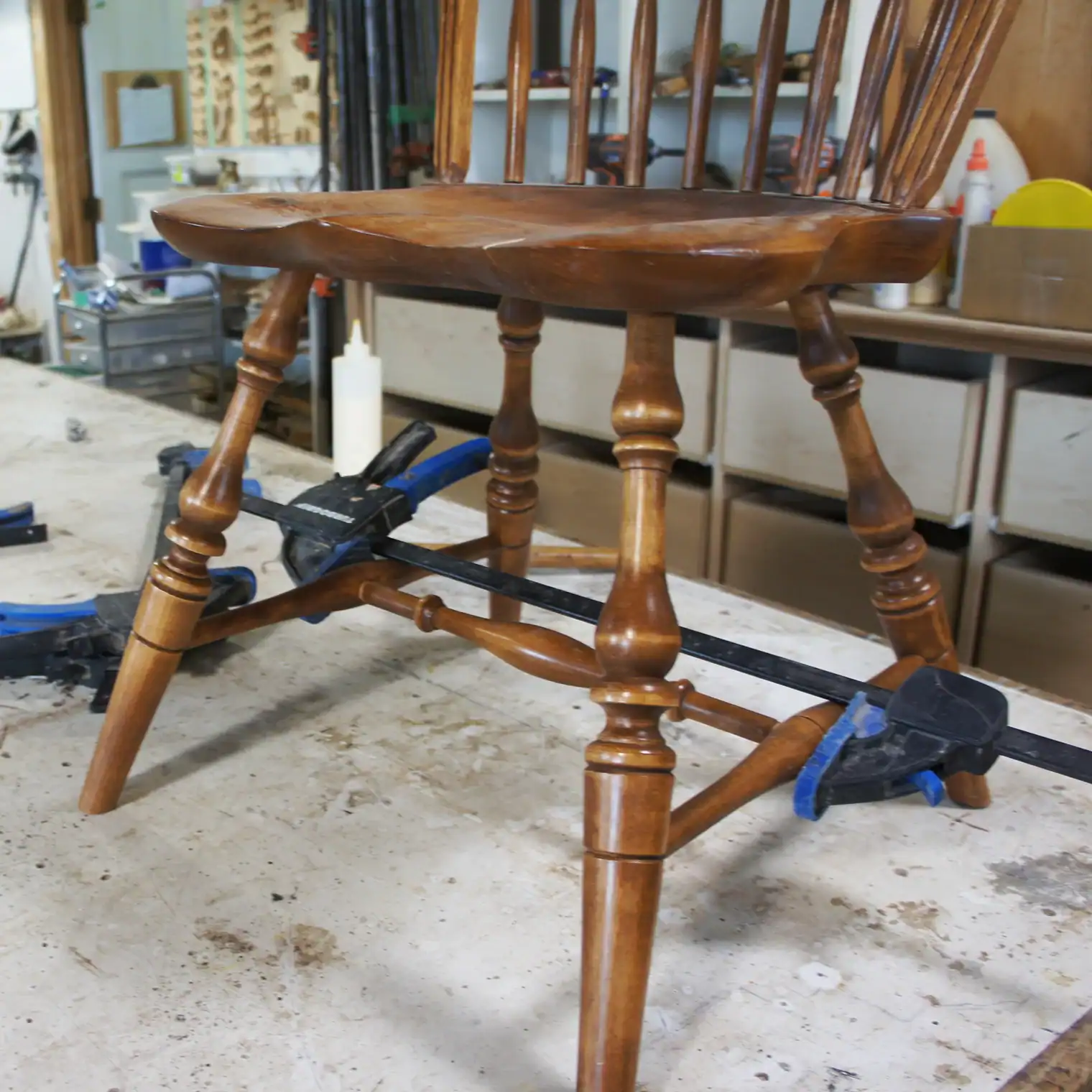
Antique chairs carry more than wood and craftsmanship; they carry memories, history, and the unique character of another era. Whether

Don’t replace your beloved pieces, restore them with care and craftsmanship.