
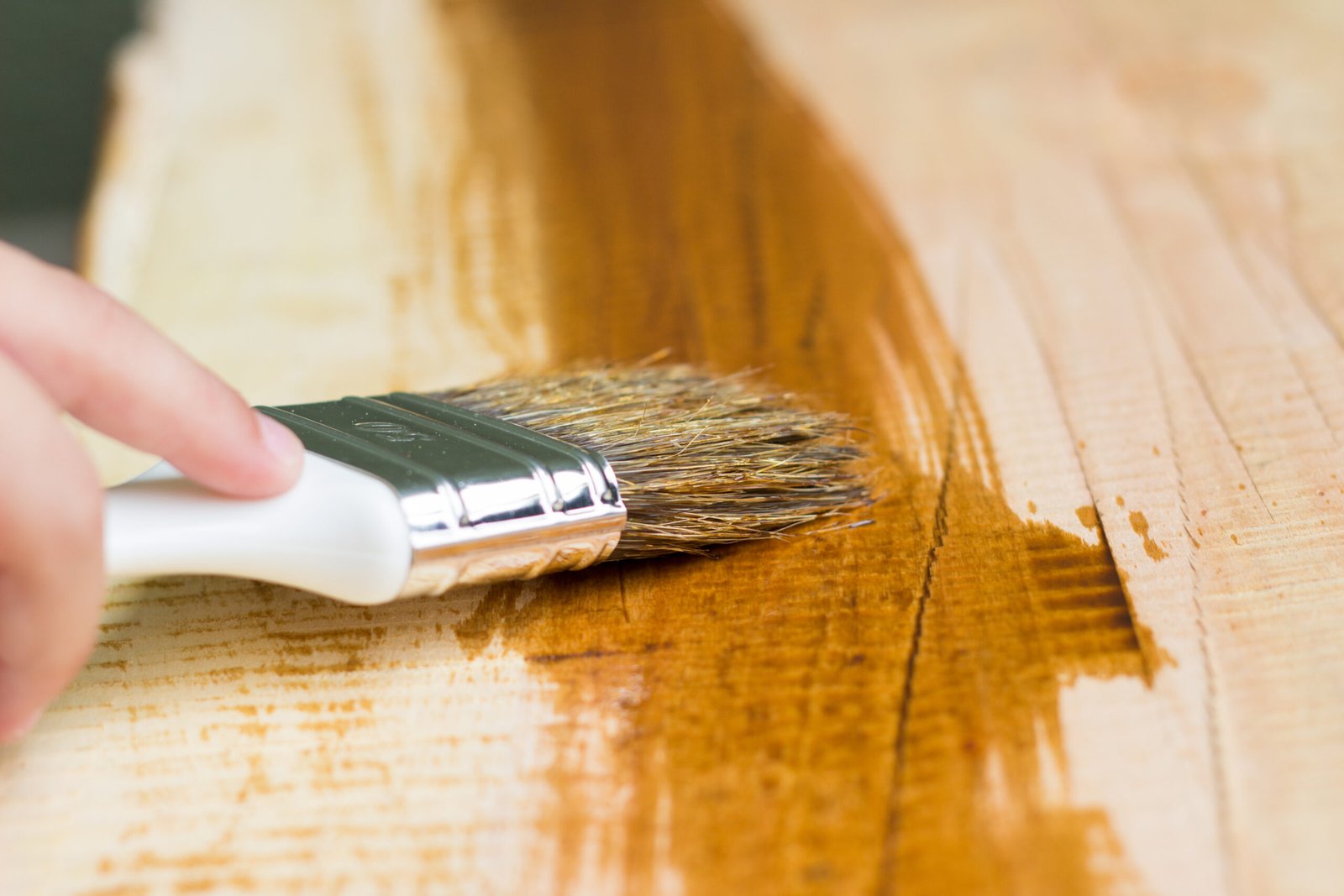
If you’ve ever tried to match a new cabinet door to an old dresser or blend a refinished table with existing woodwork, you’ve probably realized it’s not as easy as grabbing a can of stain and brushing it on.
As professional refinishers, we see this challenge all the time at Renowned Finishing in Airdrie. A client brings in a treasured dining table and wants a new set of chairs to “match exactly.” Achieving that perfect color harmony takes far more than a good eye; it takes a deep technical understanding of wood behavior, stain chemistry, and light interaction.
Let’s break down why matching wood stains is one of the most delicate parts of refinishing, and how the process really works.
No two boards of wood are identical. Even within the same species, subtle differences in grain, age, and natural color mean that stains absorb differently.
That’s why, before applying a single drop of stain, we always run test samples on the same wood type as your furniture.
Wood is dynamic; it plays with light. A stain that looks perfect under workshop lighting can appear completely different in your living room.
At Renowned Finishing, we always check samples in multiple lighting conditions and from different angles before finalizing a match. It’s this step that ensures your refinished piece looks right in your home, not just in our shop.
Here’s the part most DIY tutorials skip: wood color doesn’t just come from stain, it evolves over time.
Our process factors in all of these variables to recreate not just the color but the age and warmth of your existing finish.
Can you ever achieve a 100% perfect match? In truth, that’s nearly impossible. Even two boards from the same tree can reflect light differently. But the goal isn’t to make them identical, it’s to create a harmonious, natural blend that feels consistent and visually balanced.
When done right, your new or refinished piece looks like it’s always belonged there, enhancing your room’s character without calling attention to itself.
Matching wood stains is equal parts chemistry, craftsmanship, and patience. It’s about understanding how stain, light, and time interact and then fine-tuning every variable until the result feels “just right.”
At Renowned Finishing, we specialize in bringing that precision to every project, from custom furniture refinishing to cabinet restoration. Whether you’re updating a single piece or blending new furniture with existing wood tones, we take the time to ensure every detail aligns beautifully.
If you’re in Airdrie or the surrounding Calgary area and want a finish that feels both authentic and timeless, our team would love to help you create a match worth admiring.
Q1. Why is it so hard to match wood stains exactly?
Ans: Every wood surface absorbs stain differently based on its grain, density, and age. Even lighting conditions and topcoat type can alter how the color appears.
Q2. Can old and new wood ever look identical?
Ans: Not perfectly, but with expert staining and finishing, the difference can be made nearly invisible.
Q3. What’s the best way to test a stain color before refinishing?
Ans: Always test on a scrap piece of the same wood species and view it under your home’s actual lighting.
Q4. Does the finish coat affect the final color?
Ans: Yes. The sheen, type (oil, lacquer, water-based), and even the number of coats can warm or cool the final tone.
Q5. How long does professional stain matching take?
Ans: Typically, a few days to a week, depending on the piece and complexity. Each sample layer must dry fully before adjustments are made.