
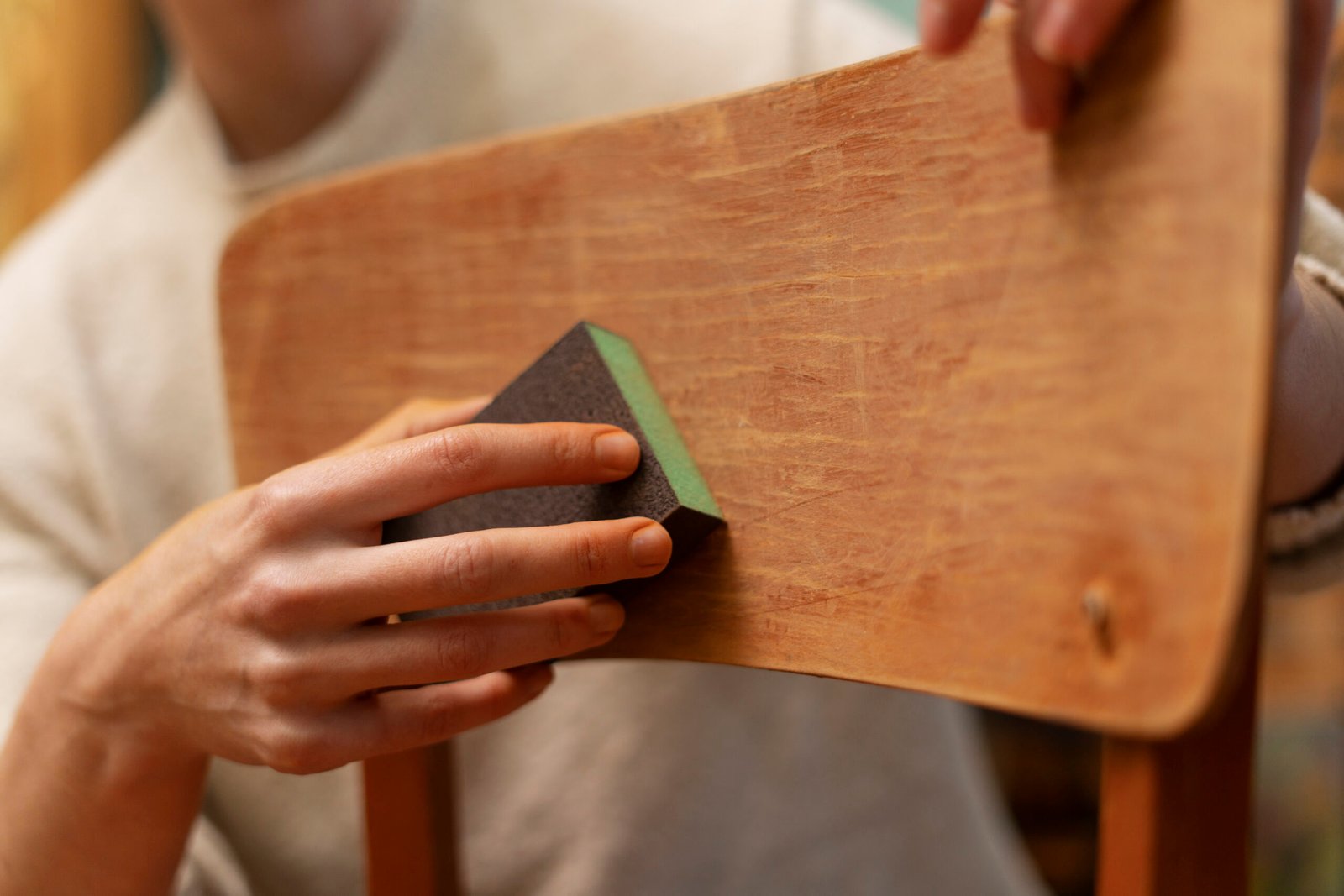
Yes, refinishing wood furniture is worth it for solid wood and quality veneer pieces. It typically costs 30–60% less than buying a comparable replacement and preserves craftsmanship that’s increasingly rare in newly manufactured furniture. Refinishing isn’t worth it when the wood is rotted, the structure is failing, or repair costs approach what you’d pay for a similar piece on the resale market.
This guide walks through what refinishing actually costs in Alberta, a five-question test to decide on your specific piece, the methods that suit different woods, and the situations where we honestly tell people to walk away.
Professional refinishing costs depend on the piece, the finish chosen, and the prep work the existing surface needs. The ranges below reflect typical quotes for our Airdrie shop — your project may sit higher or lower based on size, condition, and finish type.
|
Piece |
Professional cost |
DIY supply cost |
DIY time |
|
Dining chair (single) |
$80–$180 |
$20–$60 |
4–8 hrs |
|
Dining table (6-seater) |
$450–$900 |
$80–$200 |
15–25 hrs |
|
Dresser (6-drawer) |
$400–$750 |
$70–$180 |
12–20 hrs |
|
Coffee or end table |
$200–$400 |
$40–$100 |
6–10 hrs |
|
Kitchen cabinet door (per door) |
$60–$120 |
$15–$35 |
2–4 hrs |
|
Antique sideboard or buffet |
$600–$1,400 |
$100–$250 |
20–35 hrs |
|
Outdoor wood furniture (per piece) |
$250–$600 |
$80–$200 |
8–14 hrs |
Note: The figures are estimates only. Exact prices vary depending on the piece’s size, condition, wood type, and the finish chosen. Request a custom quote for accurate pricing on your specific project.
A solid-wood (not particleboard) dining table typically starts around $1,800 in Canada and easily runs past $5,000 for quality builds. A real-wood six-drawer dresser starts near $1,200. A new sideboard built to comparable craftsmanship is often $2,500 or more.
For most pieces in the table above, refinishing comes in well under half the cost of buying new — and you keep furniture that already fits the spot it’s been sitting in for years.
Supply costs look low, but botched DIY refinishes are common. A single sand-through on veneer, a blotchy stain job on pine or maple, or a topcoat that won’t dry usually forces a complete redo. Once remedial work and your own hours are factored in, the gap between DIY and a professional quote narrows quickly — and the result rarely matches what a controlled spray booth and a trained refinisher produce.
Run your piece through these five questions before deciding. Yes to questions 1–3 and no to 4–5 means refinishing is almost always the right call.
Heirloom exception: Sentimental pieces — a grandparent’s dresser, a hand-built piece passed down through the family — get a different calculation. For these, “worth it” includes preservation value that doesn’t show up in a spreadsheet.
We turn pieces away regularly. Refinishing isn’t the right answer when:
A five-minute photo consultation usually clarifies which category your piece falls into. We’d rather tell you upfront that refinishing isn’t worth it than take on a job that won’t deliver a result you’re happy with.
Refinishing genuine antiques is a different conversation. For most family pieces and decorative antiques, a sympathetic refinish increases usability and resale value. For rare or museum-quality pieces, removing the original finish can permanently reduce collector interest — collectors and appraisers prize the natural patina that develops over decades of use. According to LoveToKnow’s guide on restoration and antique value, destroying the patina during restoration “can dramatically decrease the value of the item.” Antique Trader similarly cautions that collectors often value the original finish, even when it shows signs of wear.
The practical rule: if your piece has any chance of being a rare or significant antique, get an appraisal before you refinish. For ordinary vintage furniture — well built but not collector-rare — a quality refinish almost always adds value.
Different finishes suit different pieces. Here’s when each makes sense.
Best for decorative pieces and low-wear furniture — accent tables, hutches, small dressers. Minimal prep, matte vintage look. Always needs a proper topcoat, otherwise it scuffs and stains within months.
Best for blotch-prone woods like pine, maple, and birch, and for darkening a surface without full sanding. Gel stain sits on top rather than soaking into the grain, which makes it forgiving — and it’s the right call when stripping would risk going through veneer.
Best for showcase pieces with attractive grain — oak, walnut, cherry, mahogany. Requires complete strip and sand. The most labour-intensive method, also the most beautiful when done right.
Best for mismatched wood species, damaged veneer, and modern updates to traditional pieces. A sprayed finish from a booth looks dramatically smoother than brushed or rolled paint — this is one of the biggest visible gaps between DIY and professional results, and a major reason people bring repaint jobs to our furniture restoration shop.
Best for patio sets, porch furniture, and garden benches. Interior finishes fail outdoors within a season — they aren’t formulated for UV, freeze-thaw cycles, or sustained moisture. Exterior coatings cost three to five times more than interior products, which is one reason DIY outdoor refinishes often disappoint.
Inlaid pieces — marquetry, contrasting wood banding, decorative patterns — need careful hand-sanding and selective staining. Aggressive sanding destroys the design. This is firmly professional territory.
|
Wood |
Refinish-friendliness |
Notes |
|
Oak |
Excellent |
Open grain takes stain beautifully and forgivingly |
|
Walnut |
Excellent |
Often looks best with just oil — minimal stain needed |
|
Cherry |
Very good |
Darkens naturally with age; gel stain often best |
|
Mahogany |
Very good |
Gorgeous grain; respect existing patina on antiques |
|
Maple |
Tricky |
Blotches with traditional stain; gel stain or paint preferred |
|
Pine |
Tricky |
Soft and dent-prone; gel stain controls blotching |
|
Teak / outdoor hardwoods |
Good |
Need exterior-rated oils, not interior finishes |
|
Engineered wood / MDF |
Avoid |
Can’t be sanded — paint only, and even that’s a coin flip |
Most pieces move through our shop in 1–3 weeks from drop-off to pick-up. The biggest variables:
DIY timelines are usually longer in calendar weeks because most people only have evenings and weekends.
After years of taking in stalled DIY projects, these are the four issues we see most:
Each of these adds 6–12 hours of remedial work to what was supposed to be a weekend project — and sometimes makes the piece worse than the starting point.
A properly refinished piece with a quality topcoat lasts 15–25 years of normal indoor use before needing attention again. High-traffic surfaces like dining tables wear faster on the finish — not the wood — and may want a recoat at 8–12 years.
Maintenance is straightforward:
Modern conversion varnishes and waterborne polys are far more spill-tolerant than older finishes, so a refinished piece is often more durable than it was originally.
Refinishing isn’t only cost-effective — it’s one of the lowest-effort sustainability wins available to a homeowner. According to the U.S. Environmental Protection Agency, 50 percent of municipal solid waste in the United States is sent to landfill, and durable goods (furniture included) make up a substantial share of that stream.
The scale of the furniture problem specifically is striking. Recycle Track Systems reports that Americans generated 12.2 million tons of furniture waste in 2017, with 80.2 percent of it sent to landfill and only 0.3 percent recovered for recycling. A more recent analysis by Level Frames found that furniture and furnishings now account for 19.36 billion pounds of landfill waste annually in the U.S. — a problem driven in part by the rise of “fast furniture” and short design-trend lifecycles.
A solid wood piece kept in service for another 30 years instead of being replaced and discarded carries a fraction of the embedded carbon of a new import. For homeowners weighing the environmental side of furniture decisions, refinishing the bones of a good piece is the more responsible choice.
A six-seater solid wood dining table typically costs $450–$900 to refinish professionally in Alberta. Buying a comparable replacement generally runs $1,800–$5,000 or more, so refinishing usually saves 50–80%.
For solid wood and quality vintage pieces, refinishing is almost always cheaper than buying a comparable-quality replacement. For low-end engineered furniture, replacing is usually cheaper than refinishing.
Yes, if the veneer is thick enough — most pre-1970s veneer is — and isn’t lifting, bubbling, or chipped through. Modern paper-thin veneer can usually only be painted, not sanded and re-stained.
Most pieces are completed in 1–3 weeks once started. Complex repairs, multiple coats, or larger items like sideboards may extend that timeline.
Yes — for simple pieces with forgiving finishes like chalk paint. Stain work, veneer pieces, inlay work, and anything with sentimental or significant value is where DIY most often goes wrong.
For genuine, rare antiques with original finish, sometimes yes — collectors prize original patina. For most family pieces and decorative antiques, a sympathetic refinish increases usability and value. Consult an appraiser before refinishing anything you suspect is genuinely valuable. Antique Trader and Hemswell Antique Centres both have useful guidance on the patina question.
Refinishing focuses on the surface — strip, sand, stain or paint, and topcoat. Restoration includes structural repair: re-gluing joints, replacing damaged components, repairing veneer, and matching original hardware. Most jobs combine both.
Yes. Cabinet refinishing is one of our specialties, and it follows similar principles to furniture refinishing — though the higher wear-and-tear environment of kitchens makes finish selection especially important.
Yes. Outdoor refinishing requires exterior-rated coatings designed to handle UV, moisture, and Alberta’s freeze-thaw cycles. Interior finishes won’t survive a season outside.
Our shop is at 151 East Lake Blvd NE #306, Airdrie, AB T4A 2G1. We serve Airdrie, Calgary, Cochrane, Okotoks, Red Deer, Strathmore, and surrounding Alberta communities.
Refinishing wood furniture is worth it when the piece is solidly built, structurally sound, and either expensive to replace or meaningful to keep. It’s not worth it when the wood is failing, when the repair quote approaches replacement cost, or when the piece doesn’t fit your life regardless of how it looks.
If you’re not sure which side of that line your piece falls on, send us a few photos and rough dimensions. We’ll give you a straight answer — including telling you when refinishing isn’t the right call.
Get a Free Refinishing Estimate → Contact Renowned Finishing See Our Work → Restoration Gallery
Renowned Finishing is a wood furniture refinishing and cabinet restoration shop based in Airdrie, Alberta, serving homeowners across the Calgary region. The shop specializes in solid-wood furniture refinishing, antique restoration, kitchen cabinet refinishing, and decorative hardware. All work is completed in a controlled spray booth using professional-grade finishes designed for long-term durability.
Contact: 151 East Lake Blvd NE #306, Airdrie, AB T4A 2G1 Phone: 403-383-7442 Email: info@renownedfinishing.ca
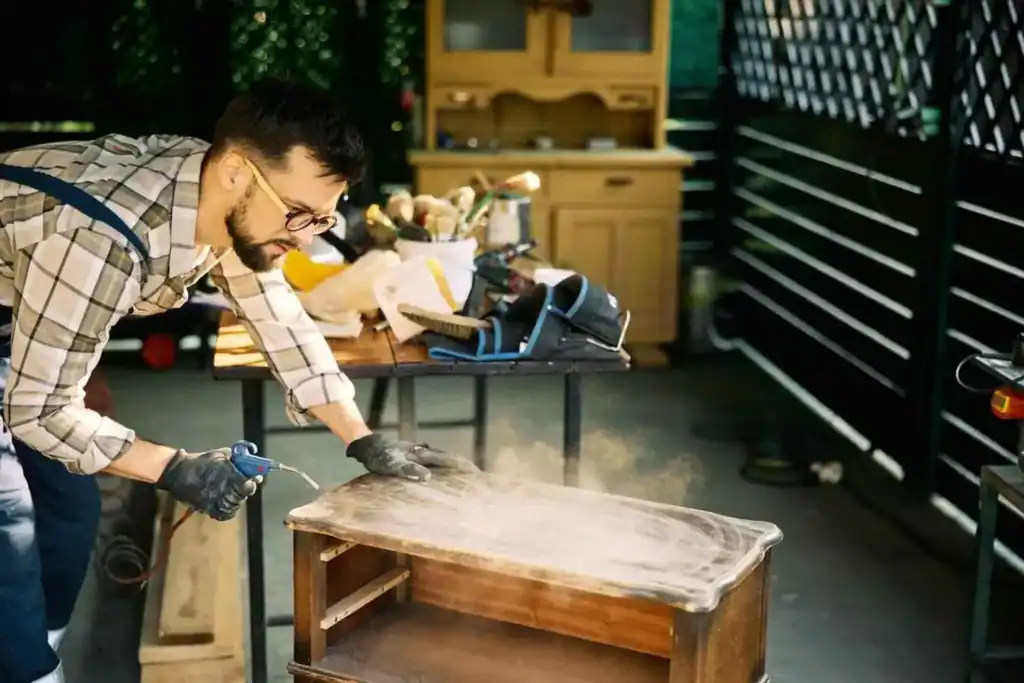



Don’t replace your beloved pieces, restore them with care and craftsmanship.