

Wood Furniture Repair: What’s Actually Possible and When It’s Worth It.
Wood furniture is built to last, but time, use, and accidents eventually leave their mark. At Renowned Finishing in Airdrie,

Antique chairs are not just practical pieces of furniture. They represent craftsmanship, design heritage, and centuries of cultural influence. From Elegant Victorian chairs to simple colonial designs, antique chairs reflect the evolution of furniture and its connection to culture and lifestyle.
For collectors, homeowners, and interior designers, understanding the types of antique chairs helps identify valuable pieces and maintain them properly. A lot of antique chairs are also sentimental, and in most cases, they are passed down through generations.
However, antique furniture may become vulnerable to aging, scratches, and structural damage over time. Professional restoration services, such as those offered by Renowned Finishing, help preserve these pieces while maintaining their historical character.
This guide examines the most identified kinds of antique chairs, their distinct characteristics, and the significance of restoration as a way of preserving their future value.
Before exploring different styles, it is helpful to understand what qualifies as an antique chair.
In general, furniture is considered antique if it is more than 100 years old. Antique chairs are generally handmade and made using solid wood, conventional methods of joinery and elaborate decorative designs.
Typical features are:
Because of their age and craftsmanship, antique chairs require proper care and restoration to maintain their structure and appearance
Over the centuries, furniture makers developed distinctive chair designs influenced by design trends, culture, and craftsmanship techniques. The list of the most popular types of antique chairs is provided below.
Wingback Chairs
The wingback chairs were first made in England in the 17th century and were used during the Georgian era. The design of these chairs was in the form of wings protruding out of the backrest towards the armrests.
Key Features
The wings were initially used next to fireplaces to trap heat and exclude chilly air. Wingback chairs are still considered to be very desirable today because of their appearance and comfort.
Queen Anne Chairs
Queen Anne chairs are one of the most well-known antique styles of furniture and it was created as early as the first half of the 18 th century.
Key Features
The design of the Queen Anne took a turn to more elegant forms of furniture. They are also usually designed with upholstered seats and curved backs, reflecting refined craftsmanship.
Chippendale Chairs
The chair was named after the English cabinetmaker Thomas Chippendale, and became extremely popular during the mid-1700s.
Key Features
Chippendale chairs are the epitome of decorative furniture design of the Georgian period. There are numerous collectors who search for the original examples due to their sophisticated workmanship.
Windsor Chairs
Windsor chairs were first introduced in England in the 18 th century but became popular in colonial America.
Key Features
Originally, these chairs were used in the kitchens, taverns, and dining rooms. The fact that they were well-made and highly practical for daily use, and their simple structure made them so useful.
Victorian Chairs
Victorian furniture is based on the types of designs in the 19th century during the reign of Queen Victoria. These are the chairs that are characterized by richness and rich decorative appearance.
Key Features
The Victorian chairs are regularly found in the parlors and formal sitting rooms. They are visual and delicate at the same time, as their style is rich in details that are carved.
Ladder Back Chairs
The ladder-back chairs can be traced back to many centuries, and they were usually prevalent in the early American household.
Key Features
These chairs are simple and durable in nature. They are less ornamental than the other antique styles, but are still used in rustic and farmhouse interiors.
Bergère Chairs
Bergere Chairs were originated in France in the 18th century and were used in the aristocratic houses to make them comfortable.
Key Features
Formal salons or drawing rooms were other places where these chairs could be used. The sophistication in the design of their upholstered furniture and their delicate craftsmanship depict the sophistication of the French design of furniture.
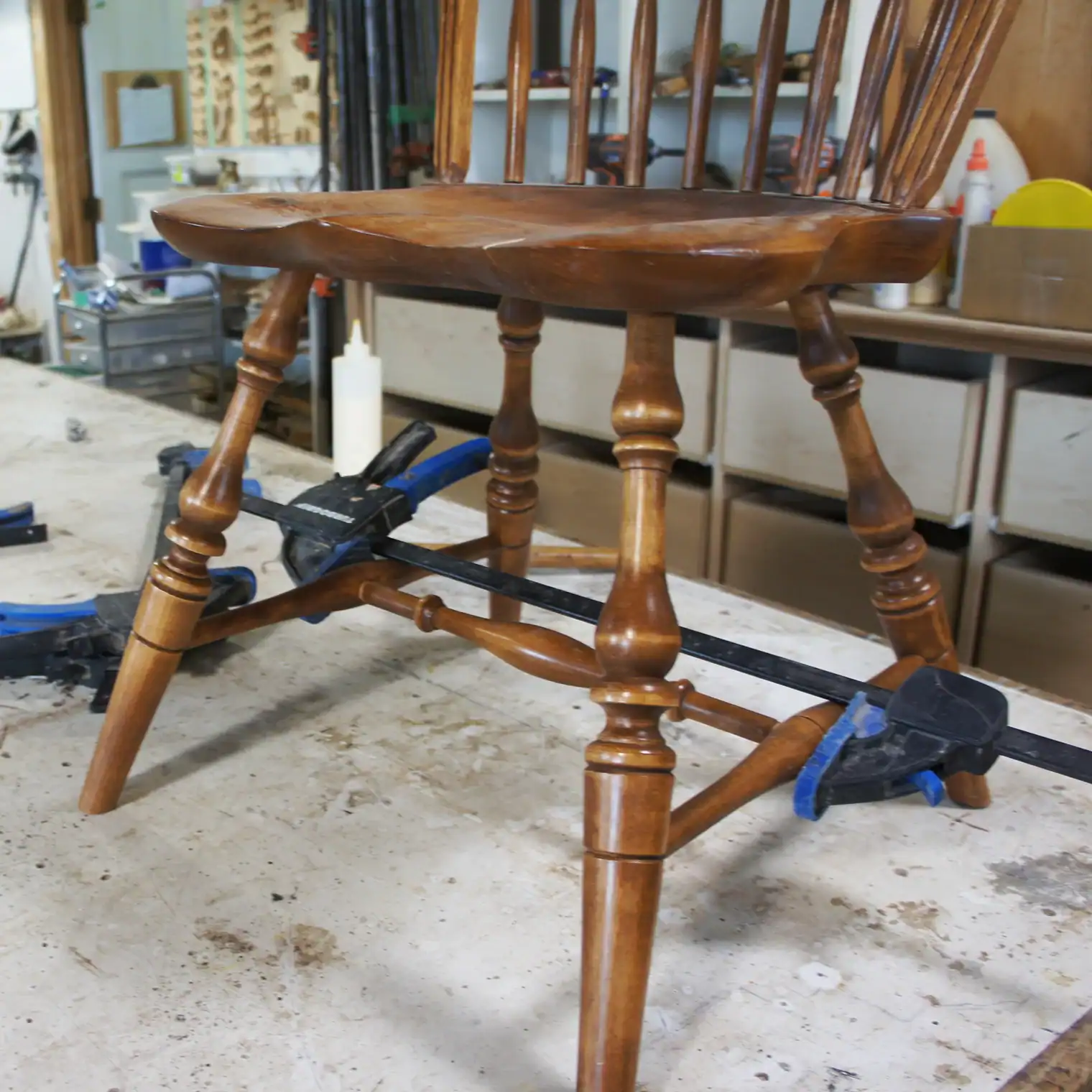
Antique furniture naturally shows signs of wear over time. Gradually, chairs could be scratched, have loose joints, finishes that become worn, or be damaged. Trying to make some repairs to old furniture without the appropriate knowledge may devalue them.
Professional restoration aims at saving the initial craftsmanship of the chair, besides enhancing its life span.
The most widespread restoration methods are:
Properly restored, old furniture can last several years longer.
Antique chairs are not just decorations. They are historical items that are indicative of the design, culture, and craftsmanship of previous generations.
Restoration preserves:
In the absence of professional treatment, antique furniture can still be damaged and it will be harder to restore it in the future.
Antique chairs require experience and attention to detail when restoring. Renowned Finishing is a company that provides services in professional furniture refinishing and restoration services to prevent damage to highly valued furniture.
Their team carefully evaluates each piece before beginning the restoration process. This ensures that repairs preserve the original style and character of the furniture.
Light wear on the surface of a chair or its major damage, no matter, the professional refinishing will help to recover its look and preserve its historical character.
Tips for Maintaining Antique Chairs
Proper care can help antique furniture remain beautiful for generations.
Avoid Direct Sunlight
Sun exposure can fade wood finishes and upholstery over time.
Clean with Soft Materials
Use microfiber cloths or gentle cleaning products designed for wood furniture.
Handle with Care
Avoid dragging antique chairs across floors to prevent structural stress.
Schedule Professional Maintenance
Periodic refinishing or restoration ensures antique furniture remains protected from wear and damage.
Conclusion
The knowledge of the kind of antique chairs is a way of enabling the homeowners and the collectors to appreciate the kind of effort that went into the making of these everlasting masterpieces. Starting with graceful Queen Anne and strong Windsor chairs, every piece of style bears reference to the history and craftsmanship of furniture making.
Nonetheless, daily use and age may have an ultimate impact on the most carefully made furniture. Professional restoration is relevant as it helps to save antique chairs and retain their beauty and historical background.
Antique chairs may be refinished by professionals and given proper care so that they can improve homes and interiors even in the future. Services such as the one offered by Renowned Finishing will make sure that these prized items are reinstated in a cautious manner and taken good care of in a way that it deserves.
Ans: Some of the most common antique chair styles include Wingback, Queen Anne, Chippendale, Windsor, Victorian, Ladderback, and Bergère chairs.
Ans: You can identify an antique chair by examining its craftsmanship, wood type, joinery methods, and design style. Authentic antique furniture is typically handmade and over 100 years old.
Ans: Yes, professional refinishing can restore antique chairs without reducing their value when done carefully and respectfully to preserve original features.
Ans: Signs include loose joints, deep scratches, fading finishes, or structural instability. These issues often indicate that restoration is needed.
Ans: In many cases, restoring antique furniture is worthwhile because it preserves valuable craftsmanship and often costs less than replacing high-quality furniture.
Wood furniture is built to last, but time, use, and accidents eventually leave their mark. At Renowned Finishing in Airdrie,
Antique chairs carry more than wood and craftsmanship; they carry memories, history, and the unique character of another era. Whether

Don’t replace your beloved pieces, restore them with care and craftsmanship.